Natural ways to reduce stress and improve mental and physical health
Photo by Jill wellington
Serotonin- the happy chemical
Serotonin has many functions within the body but is mainly known as the “happy hormone” and contributes to happiness, wellbeing and how we feel.
What does a lack of serotonin cause?
If we are diminished in our production of serotonin we can quickly begin to experience symptoms such as:-
Depression
Low energy
Anxiety
Tension
Irritability
Low libido
Crave sugary refined foods
How can I increase serotonin levels naturally?
Well the great news is that there are several ways to improve serotonin levels and even better they are all free or low cost!
1) Spend time in nature.
2) Engage in an exercise that you really enjoy.
3) Meditation - see our nature meditation
4) Practice Gratitude
5) Nutrition - eating foods rich in tryptophan can help the body produce more serotonin. Bananas, salmon, nuts & seeds, eggs, spinach, broccoli, spirulina, peas, watercress, mushrooms, turkey. Herbs - oatstraw, ginseng, angelica root, dandelion, burdock, wild yam and black cohosh.
6) Essential oils & aromatherapy
Dopamine-the feel good hormone
Dopamine is a neurotransmitter and is known as the “feel good hormone”. This chemical plays a role in pleasure, motivation and learning- movement, memory and focus. Along with serotonin, oxytocin and endorphins this hormone contributes to how happy and good we feel.
What causes dopamine levels to drop?
This can be due to depression where there is a drop in dopamine levels or with other disorders and diseases effecting our brain such as parkinsons this can be due to a problem with the receptor in the brain.
Top ways to increase dopamine naturally?
Exercise regularly

Cortisol- the stress hormone
Cortisol is the stress hormone which is released by the adrenal glands. The brain triggers cortisol to help deal with stress. This is activated during fight or flight response to assist the body to cope in an emergency or stressful situation. However if cortisol is released over a continual period this can be detrimental to our mental and physical health.
Symptoms of high cortisol levels
High blood pressure
Red flushed face
Anger and irritability
Anxiety
Stress
Body tension and pain
Mood swings
Rapid weight gain upper body face, chest and abdomen. With slender arms and legs.
Muscle weakness
Frequent urination
Bruising or purple stretch marks appearing on the skin
Decreased sex drive
Osteoporosis
Simple Lifestyle tips to normalize cortisol levels
Take care of your body-eat a nutrient rich diet
Drink plenty of water
Get enough sleep
Avoid sugar,sugary foods, alcohol and caffeine
Give yourself time to rest
Connect with friends
Get creative
Have fun!
Practice an enjoyable form of exercise
Take supplements- fish oil and ashwaganda have shown the ability to reduce cortisol levels
Get out in nature
Become aware of thoughts that trigger a stress response in the body
Become aware of all your stress triggers

Photo by Sharon Mc Cutcheon
Social Prescribing
It is becoming more recognised now the importance of self care and the different tools, techniques and activities that can support our health and wellbeing. Social prescribing is when a GP or other health care professional prescribes an activity such as dance classes, choir singing, art classes, gardening, voluntary and community projects etc. all of which can have a positive effect on how we feel mentally and physically. Enriching our lives and helping us to feel good. GP Dr. Michael Dixon OBE is one of the earliest pioneers of social prescribing. He explains “ Many people who come through the surgery door have problems that can’t be solved by pills, surgery or medical interventions alone. By addressing these, social prescribing empowers people to take control of their own health and wellbeing.” To find out more about this scheme go to https://www.england.nhs.uk/personalisedcare/social-prescribing/ or ask your GP for more details.
The healing power of nature
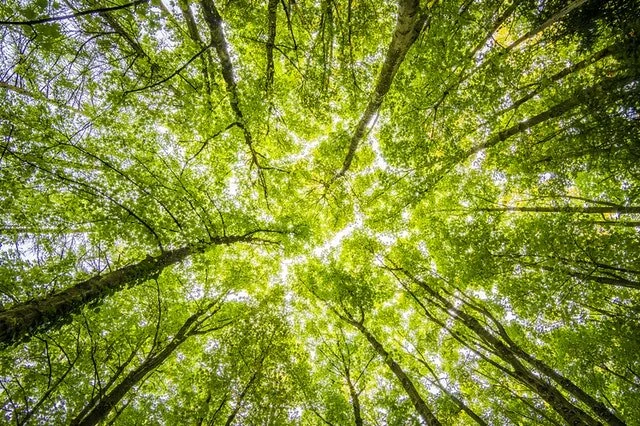
Photo by Felix Mittermeier
Nature is one of the key ways to reducing stress and cortisol and increasing serotonin and dopamine: and all it takes is a simple walk in nature daily or as often as possible. Not only do plants provide us with oxygen and absorb carbon dioxide they also emit plant chemicals called phytoncides which are plant oils closely linked to essential oils, that helps protect the plants from invasion and attack:part of their immune system. These oils are inhaled by us whilst we are out in nature and have positive effects on our immunity, health and wellbeing. A study in Japan shows the benefits of forest bathing and how more time in nature can have a hugely positive impact on our health and wellbeing. https://www.forestbathingcentral.com/forest-bathing-studies/ https://pubmed.ncbi.nlm.nih.gov/19568835/
The positive effects of nature on our mental and physical health have been documented daily by BBC Spring watch throughout this pandemic: revealing how nature has been the one constant elevating force helping us cope with these challenging times. It has been an utter joy to watch life unfolding this spring in all it’s beauty;having the time and space to fully immerse in this awe inspiring process outdoors, and then to enjoy watching on Spring watch and observing how nature has brought us all together, providing us with tools of simplicity to ‘Just Be’. If you missed Spring Watch then it is well worth catching up on https://www.bbc.co.uk/programmes/b007qgm3. Here Chris Packham demonstrated the link between dopamine, serotonin, cortisol and plant phytoncides: explained to him by scientist, naturalist and author Emma Mitchell. Check out her instagram: totally inspiring and beautiful.
https://www.instagram.com/silverpebble2/
https://silverpebble.net/about-me
I would love to hear how nature has supported you during these difficult times and your most favourite natural past times. Mine have been listening to the different bird song and getting to know each bird. Sitting with plants, observing, listening and feeling the connection and communications between plant and human. And one of my all time favourite practices of being here now: inhaling the scent of flowers. Honeysuckle and Rose I am always so drawn to, they elevate and ground me in the moment!